
Glass-fused-to-steel tanks, explained.
Explore a modular steel tank system designed around a factory-fused glass coating, and understand where it can fit Australian storage projects.
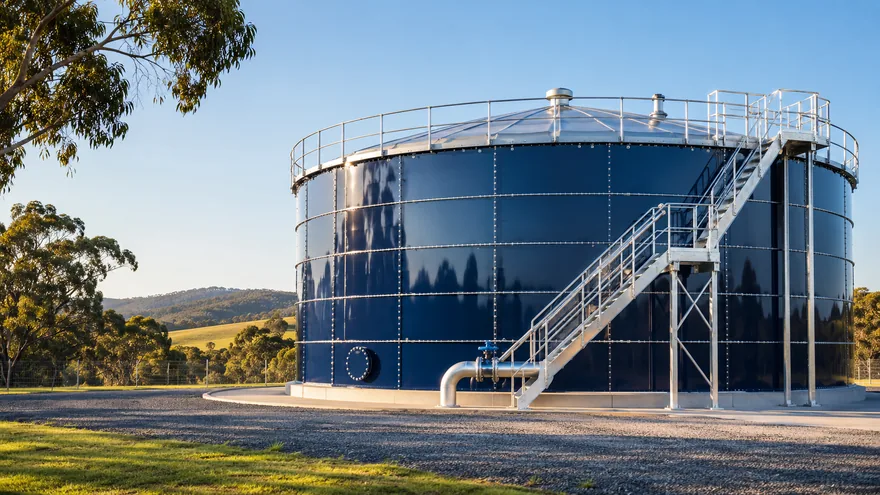
What is a GFS tank?
A glass-fused-to-steel tank (GFS tank) is built from steel panels whose surfaces receive a glass-based enamel coating during factory manufacture. A high-temperature firing process bonds the coating with the steel. The manufactured panels are then delivered to the project site and assembled into a bolted storage tank.
The approach combines the strength and design possibilities of steel with the corrosion resistance of an appropriate glass coating. However, the coating grade, sealants, steel detailing, roof and all water-contact parts must be selected for the intended duty.
How glass-fused-to-steel construction works
Steel sheets are formed, prepared and enamel coated under controlled manufacturing processes.
Glass enamel is fired onto the panel, with testing appropriate to the specified tank system.
Panels, fasteners and sealing components are assembled on an engineered foundation.
Roof, connections, access and inspections are completed against the approved design.
Potential benefits—and important limitations
Benefits can include modular installation, transportable components, hard glass-coated surfaces and corrosion resistance for compatible storage duties. Design flexibility can make the technology relevant to water infrastructure, wastewater systems and selected industrial uses.
Trade-offs matter just as much. Impact can damage the glass surface; specialist repairs may be necessary; bolted joints and sealants need inspection; and certain chemicals, temperatures or pressures may be unsuitable. Claims about lifetime, maintenance intervals or certifications must be checked against the actual proposed tank.
Standards and specification checks in Australia
Australian projects may involve drinking-water material testing, structural loading, fire protection, utility specifications and site authority requirements. The applicable standards depend on the duty and project location. No single certificate makes every GFS tank suitable for every application.
Ask for a clear design basis and supporting evidence for the chosen system, including coating and water-contact material compatibility, structural calculations, fabrication and inspection requirements where applicable.
One technology, many storage duties.
Explore application-specific design considerations rather than assuming a single tank fits every project.
Water Storage
Potable, raw and treated water
Explore solution
Wastewater
Effluent and treatment processes
Explore solution
Fire Water
Dedicated fire protection reserves
Explore solution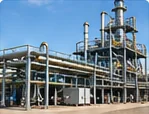
Industrial Water
Process and utility storage
Explore solution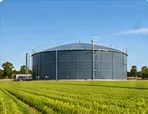
Agriculture
Irrigation and on-farm storage
Explore solution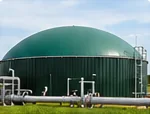
Biogas
Digestate and associated storage
Explore solutionUnderstanding your options.
These answers cover the key questions when evaluating GFS as a tank material.
What does GFS stand for?
GFS stands for glass-fused-to-steel. The tank panels use a glass-based enamel that is fused to steel under factory-controlled heat. The completed panels are generally bolted together on site.
What is the difference between GFS and GLS tanks?
GFS means glass-fused-to-steel; GLS often means glass-lined steel. These terms are sometimes used for similar systems, but specifications and coating grades still need to be checked.
Are glass-fused-to-steel tanks corrosion resistant?
GFS coatings can offer high corrosion resistance for suitable duties. Performance depends on the complete system, including coating selection, seals, panel joints, installation quality and water chemistry.
Can GFS tanks store potable water?
They can be considered for drinking water projects when the actual product and all water-contact components have suitable evidence and satisfy the relevant approvals, including applicable Australian material requirements.
How much does a GFS tank cost in Australia?
The cost depends on usable volume, diameter and height, site access, foundation, roof, fittings, the stored liquid and supply/installation scope. A project brief allows a more meaningful quotation.
Do glass-fused-to-steel tanks need maintenance?
Yes. Inspection of the coating, panels, bolts or joints, fittings, roof and structural components should follow the actual supplier documentation and risk profile of the duty.
Have a tank specification or a project idea?
Send through the basics, even if capacity and drawings are still being finalised.